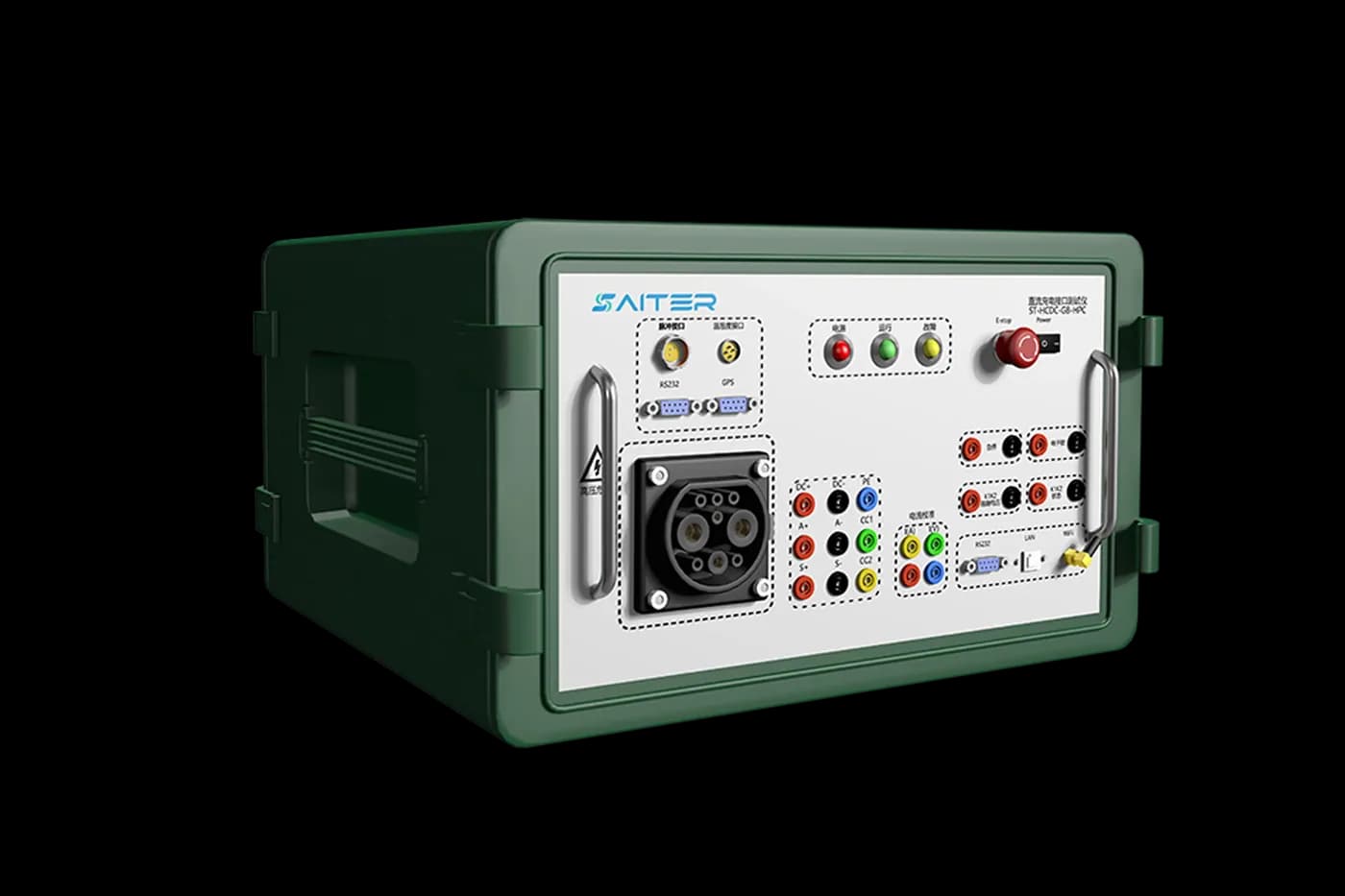
 Technical guideSystem selectionRegenerative Load Considerations for Charger TestingUnderstand when an external or regenerative load belongs in a charger test architecture and what to specify.Read the guide
Project Cases
Engineering references, technical guides and application planning for EV charging test projects.
19-24 of 46 materials
Resource results
Technical guideSystem selectionRegenerative Load Considerations for Charger TestingUnderstand when an external or regenerative load belongs in a charger test architecture and what to specify.Read the guide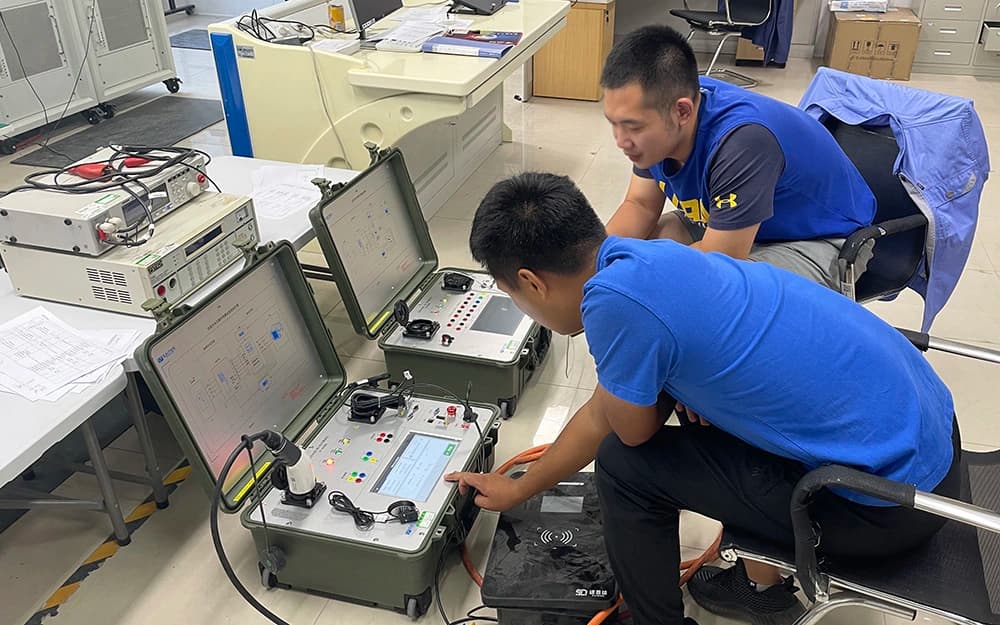 ApplicationSystem selectionHigh-Power Duty ReviewReview a proposed high-power charging duty across the entire connection and energy path. Keep interface, instrumentation, load and cooling limits distinct.
DC fast charger planning guide
Planning checklist
Requirements to confirm
- Specify simultaneous voltage and current, duration and the intended duty profile.
- Check cables, connectors, external loads, protection and cooling responsibilities.
- Define operating limits, stop conditions and measurements needed for review.
Review output
A duty-envelope review with component limits and unresolved equipment dependencies.
Scope: A model name or connector rating is not evidence of full-power test operation; the complete setup requires confirmation.
Technical context
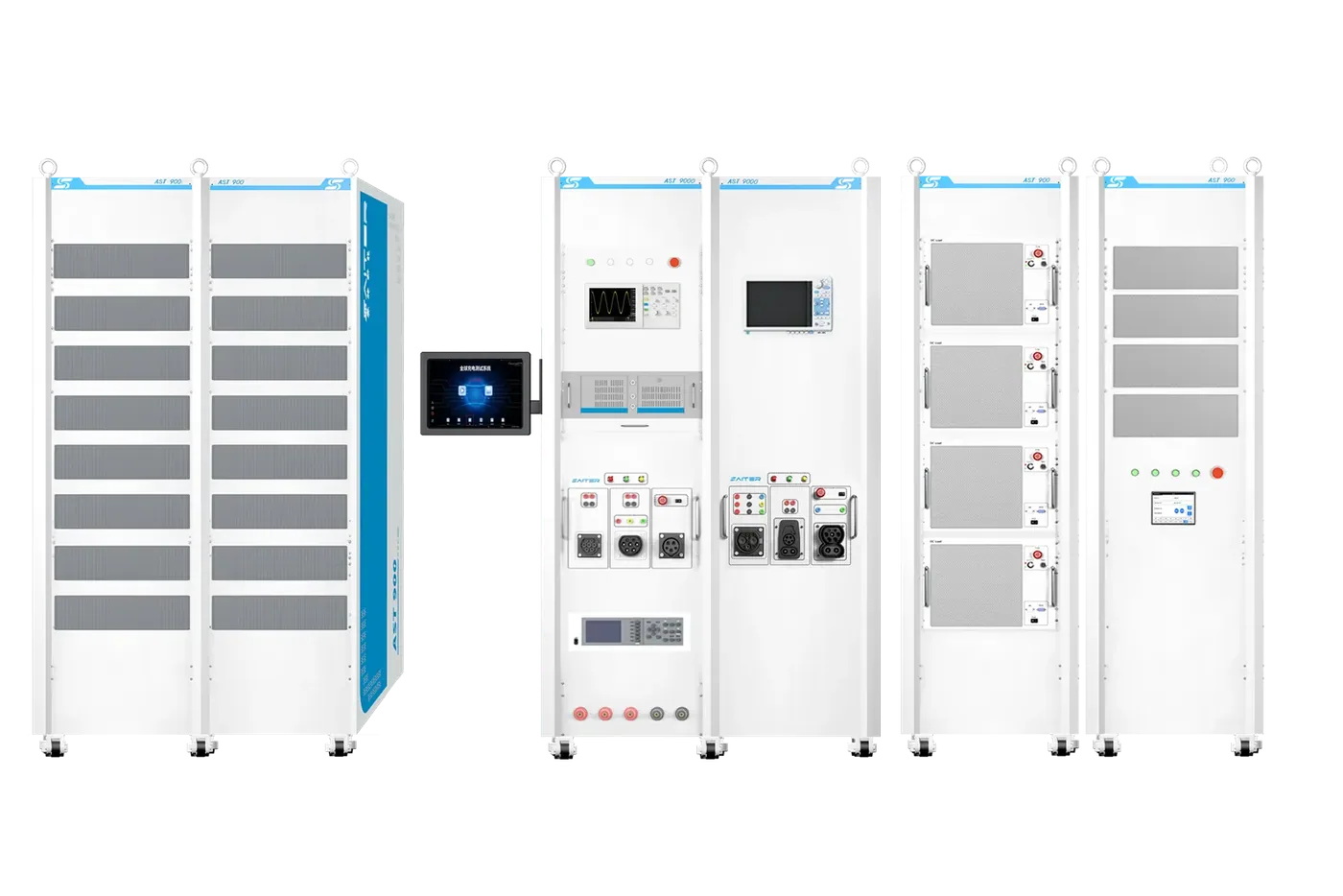 Technical guideLaboratory & productionIntegrated vs Portable EV Charger Test SystemsCompare laboratory platforms and portable testers by workflow, coverage, repeatability and deployment needs.Read the guide
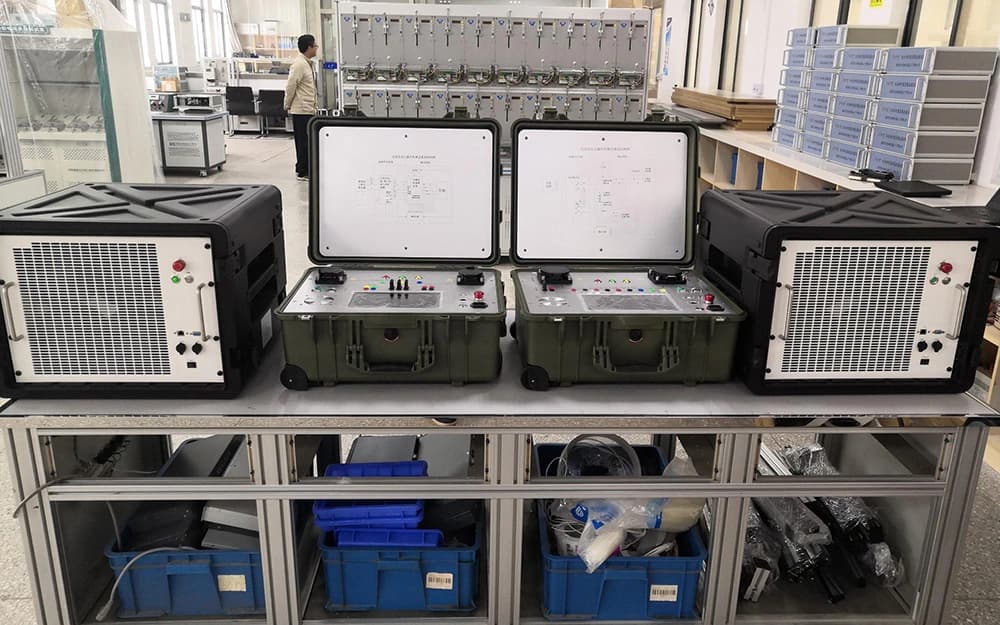 ApplicationLaboratory & productionIntegrated Measurement PlanCoordinate electrical measurements, session states and communication records so that an engineering reviewer can follow how a charger responds to a defined stimulus.
Integrated laboratory reference architecture
Planning checklist
Requirements to confirm
- Identify measurement points, signals and the instruments responsible for each record.
- Specify timing alignment, identifiers and configuration information shared across logs.
- Define retained raw data, report fields and handling of incomplete records.
Review output
A synchronized evidence plan with instrument ownership and a common record structure.
Scope: Time alignment and software integration depend on the selected tools and interfaces; automatic synchronization is not assumed.
Technical context
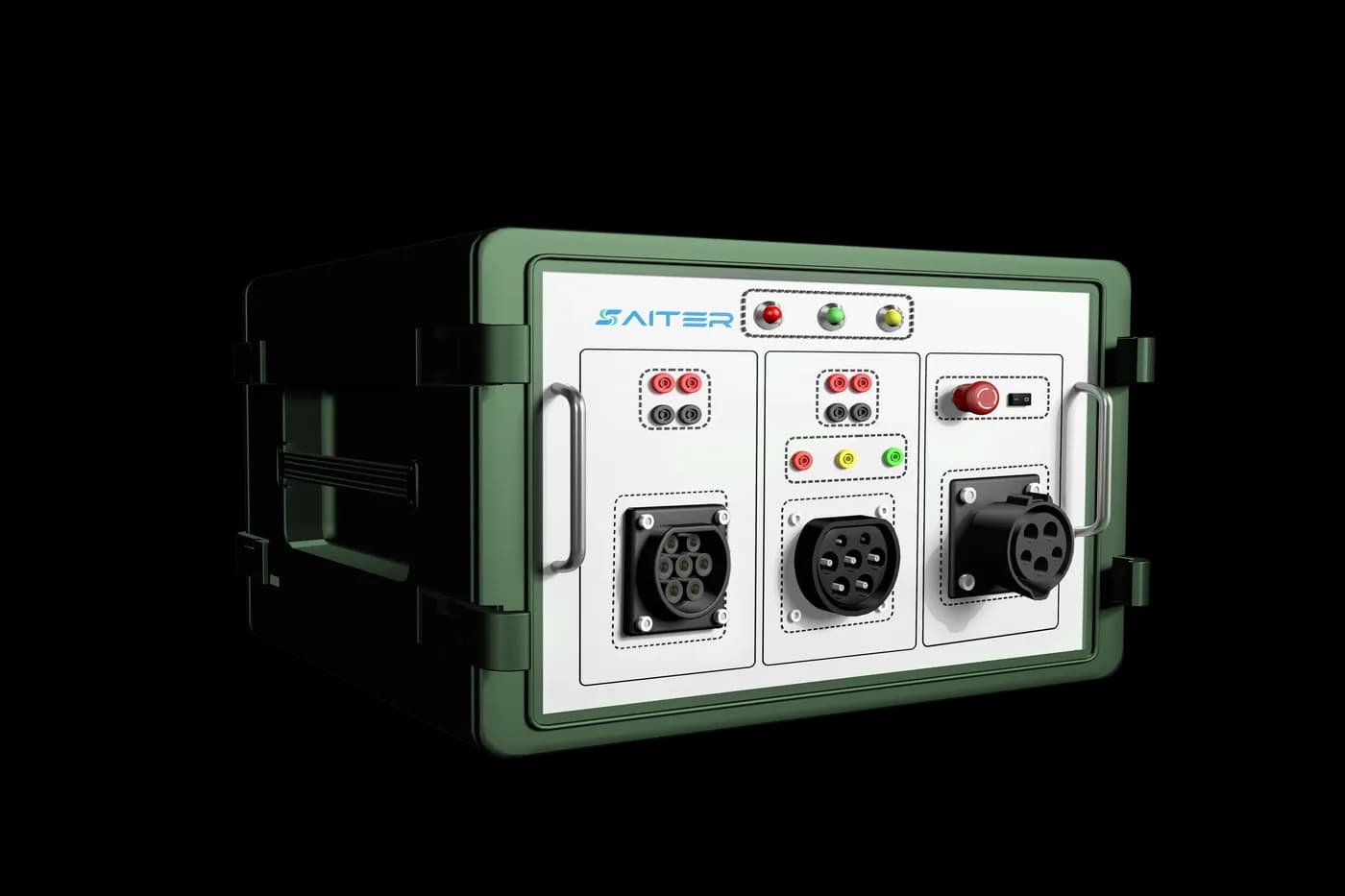 Technical guideField & commissioningEVSE Test Plan Checklist for Engineering TeamsA concise checklist for turning a charger validation brief into measurable test cases and recorded evidence.Read the guide
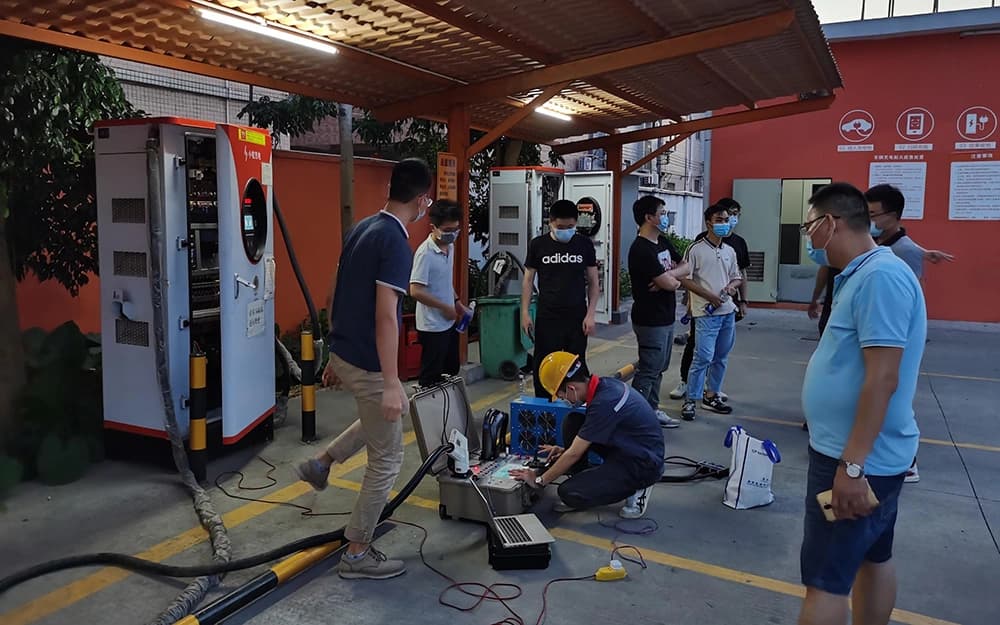 ApplicationLaboratory & productionDC Charger Validation PlanGroup DC charger questions into output behavior, charging sequences and controlled protective responses, with a stated configuration and verdict rule for every planned check.
DC charger validation planning guide
Planning checklist
Requirements to confirm
- Define connector, communication version, operating range and charger revision.
- Allocate functional, electrical and controlled fault checks to suitable equipment.
- Record expected responses, limits, raw measurements and open exclusions.
Review output
A DC validation matrix that separates planned scope, equipment and evidence.
Scope: A validation plan is not a completed test report or proof that all applicable safety requirements are satisfied.
Technical context
Guide directory
Interfaces & standards
- DC Fast Charger Testing: Equipment & Load Guide
- ISO 15118 & DIN 70121 EV Charger Testing Plan
- IEC 61851 EVSE Testing: Scope, Pilot States & Evidence
- GB/T 27930.2 Charger Protocol Testing Guide
- SAE J3400 Test Planning: AC/DC Scope & Evidence
- CCS Protocol Tester for CCS2 DC Fast Charger Testing
- GB/T DC Charger Conformance and Interoperability Testing
- NACS AC EVSE Testing: Pilot States & Field Evidence
- Type 2 AC EVSE Testing for IEC 61851 Workflows
- eMobility and EV Charging Protocol Testing Guide
- Preparing for IEC, SAE, NACS and GB/T Validation