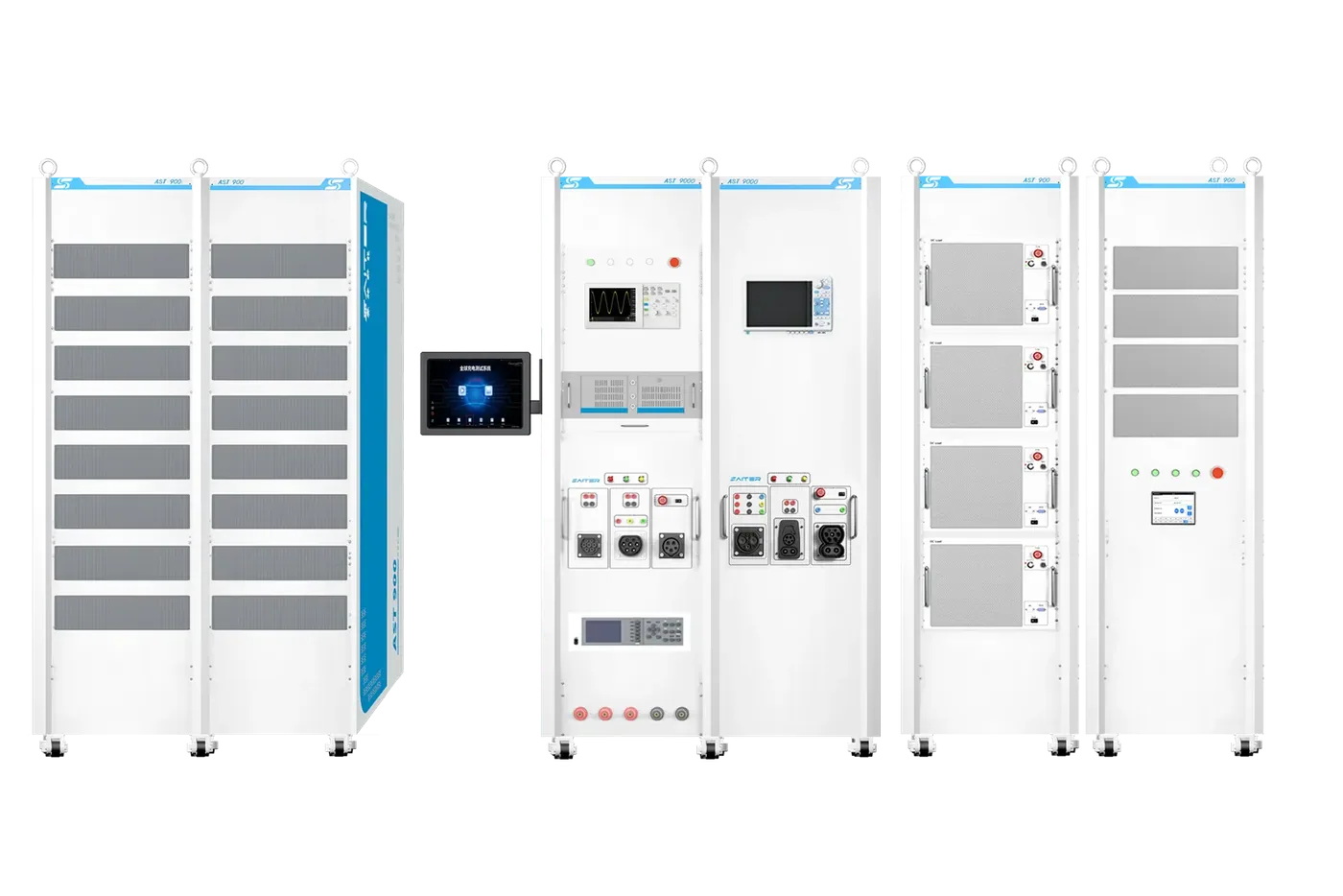
 Technical guideSystem selectionEV Charger Test System Selection: AC/DC Equipment GuideCompare AC and DC EV charger test systems by connector, protocol, voltage and current range, load path, test environment and required evidence.Read the guide
Project Cases
Engineering references, technical guides and application planning for EV charging test projects.
1-6 of 46 materials
Resource results
Technical guideSystem selectionEV Charger Test System Selection: AC/DC Equipment GuideCompare AC and DC EV charger test systems by connector, protocol, voltage and current range, load path, test environment and required evidence.Read the guide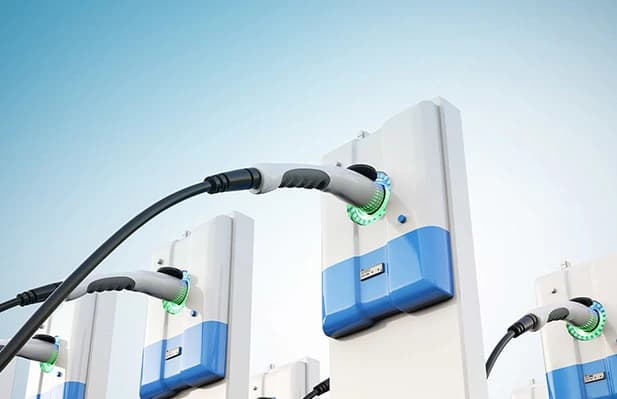 Solution briefLaboratory & productionEVSE Laboratory PlanningDefine a laboratory around the charger interfaces and questions that need investigation. Coordinate simulated vehicle behavior, electrical measurements, communication records and the power path within one reviewed test boundary.
Laboratory reference architecture
Planning checklist
Requirements to confirm
- Identify charger variants, connectors, firmware and the exact standards editions in scope.
- Separate interface ratings from sustained power requirements, external loads and facility limits.
- Define test conditions, expected responses and the raw records needed for engineering review.
Review output
A configuration boundary, equipment responsibility list and versioned test matrix for laboratory planning.
Scope: Equipment selection and test coverage require configuration review; this brief does not establish laboratory accreditation or a conformity result.
Technical context
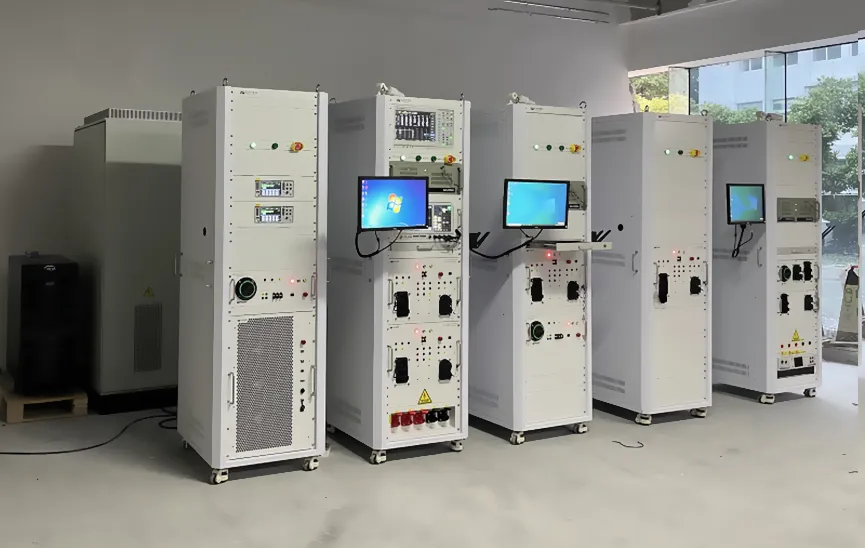 ApplicationInterfaces & standardsCCS2 Laboratory ScopePlan a CCS2 charger investigation by connecting the required charging sequences to interface simulation, communication capture and the electrical power path.
CCS2 charger testing guide
Planning checklist
Requirements to confirm
- Identify the charger revision, CCS2 connection and communication modes under review.
- Separate connector ratings, measured output and sustained-load requirements.
- Define normal and controlled fault cases with expected responses and retained evidence.
Review output
A CCS2 scope sheet with an equipment boundary and case-level evidence list.
Scope: Interface simulation alone does not establish sustained full-power operation or complete standards coverage.
Technical context
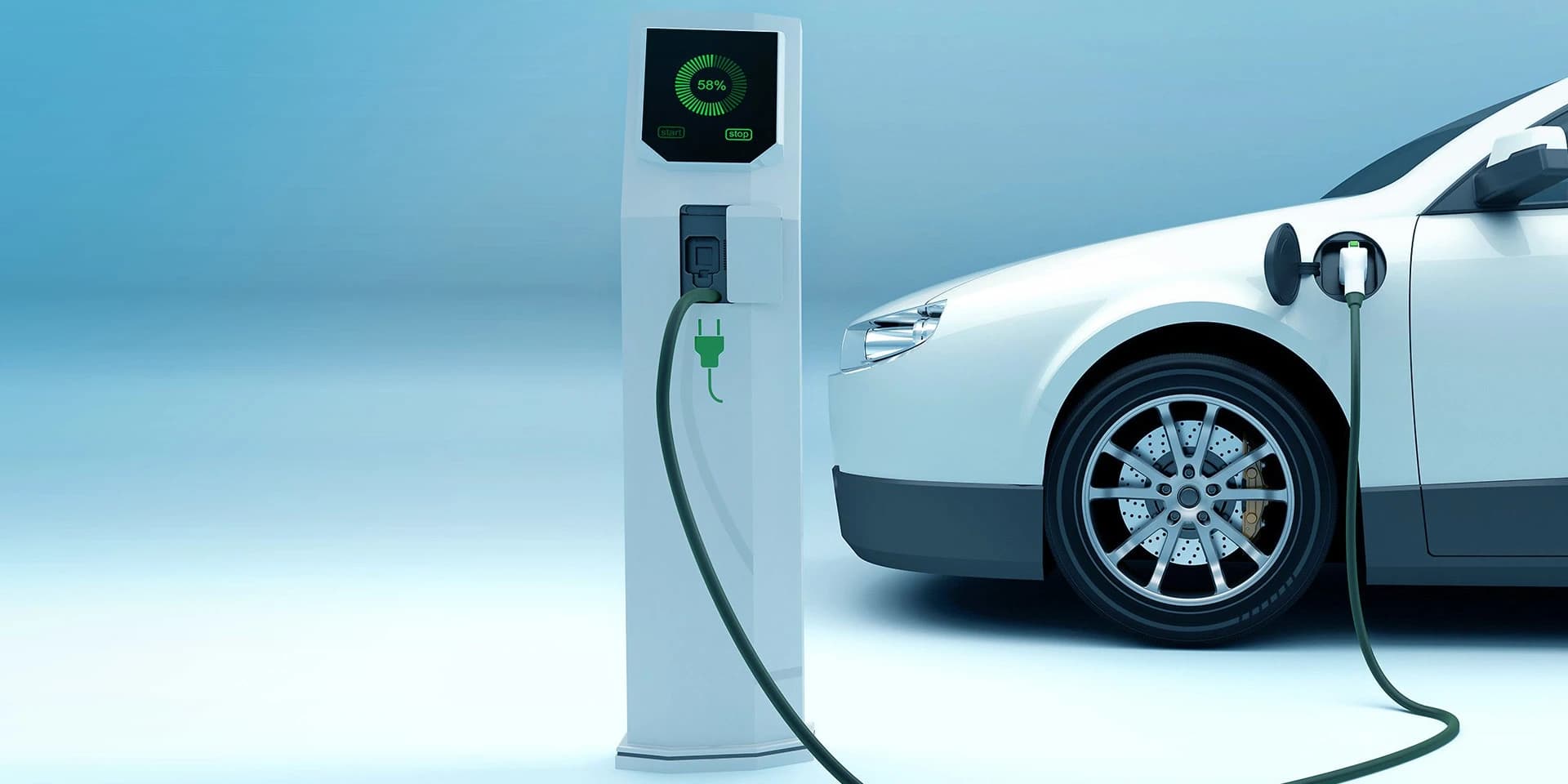
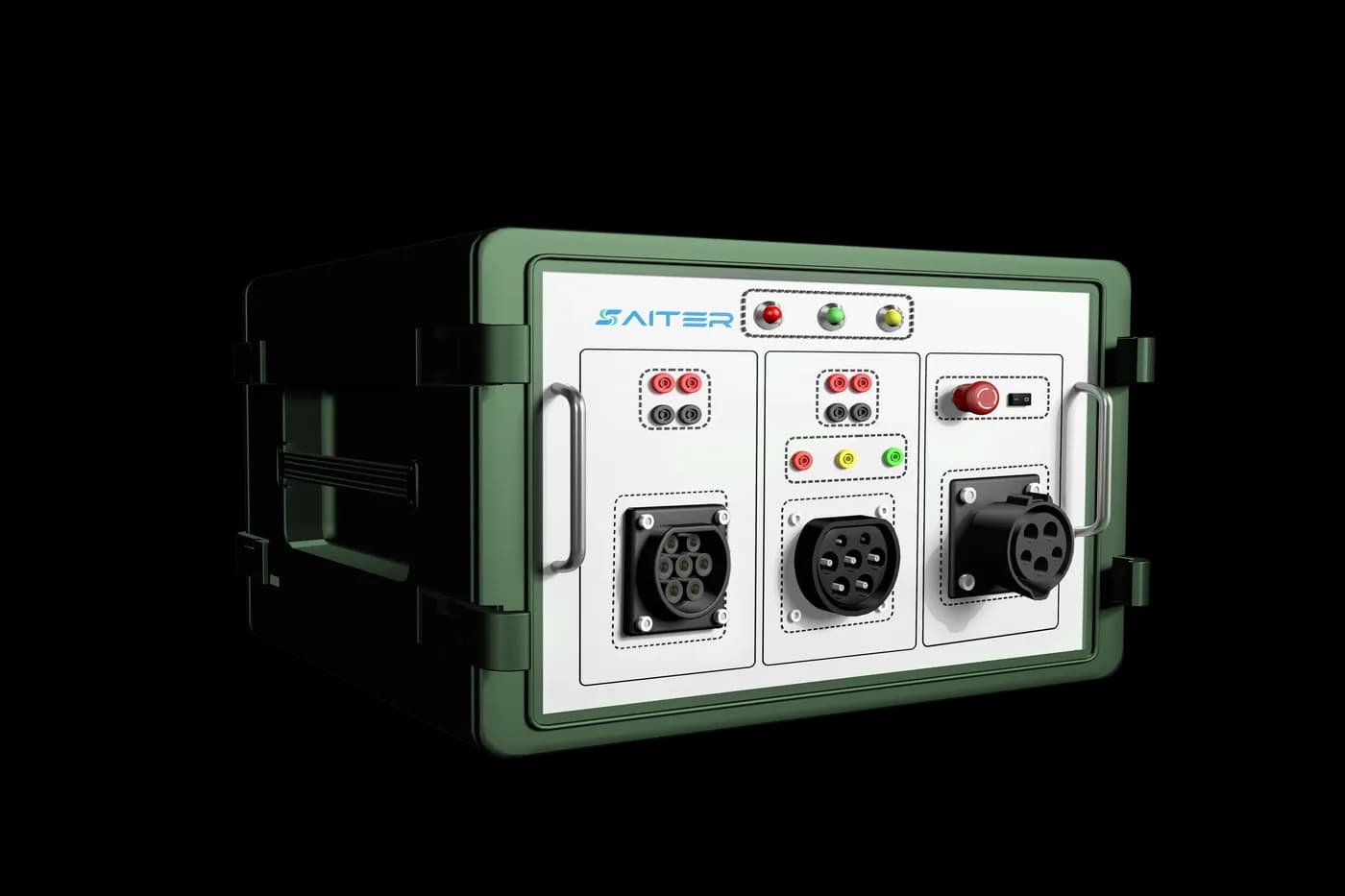 Technical guideSystem selectionAC Charger Testing vs DC EVSE Testing: What Changes?Compare AC charger testing with DC EVSE validation across pilot states, communication, electrical measurements, external loads and fault workflows.Read the guide
 Solution briefInterfaces & standardsVehicle-to-Charger Interaction ScopePlan the interaction between a defined vehicle-side implementation and selected charging interfaces. Separate session sequencing, communication behavior and electrical response so that each compatibility question has a reviewable test condition.
Charging protocol planning guide
Planning checklist
Requirements to confirm
- List the vehicle-side role, charger interfaces, communication options and software revisions.
- Choose normal, boundary and controlled fault sequences with explicit start and stop conditions.
- Align message captures, pilot states and electrical observations on a shared session timeline.
Review output
A bounded interaction matrix with configuration dependencies and evidence requirements for each session.
Scope: A selected test matrix cannot establish compatibility with every vehicle or charger; supported implementations require separate confirmation.
Technical context
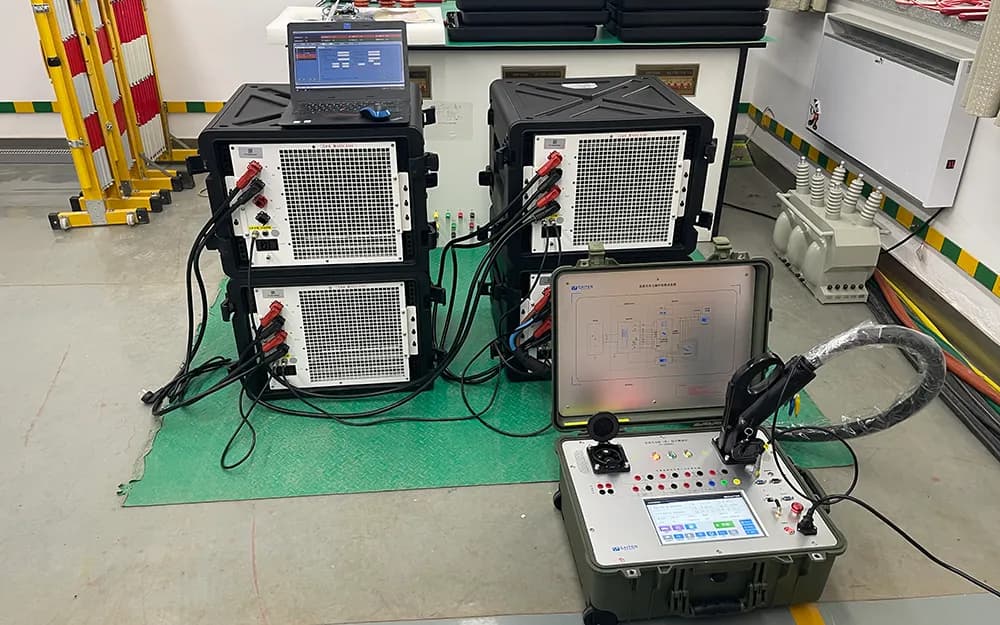 ApplicationField & commissioningCharging-Site Fault DiagnosisOrganize a field investigation around one reported charging condition, keeping site identity, setup and the first divergent session state together.
Field equipment planning guide
Planning checklist
Requirements to confirm
- Record the installed asset, reported symptom and conditions needed to reproduce it.
- Confirm connector access, safety authority and the energy path for permitted checks.
- Capture a normal reference and the affected sequence using consistent measurement points.
Review output
A diagnostic visit record with observations, setup limitations and escalation actions.
Scope: A field investigation records the conditions checked; it does not establish fault-free operation outside that scope.
Technical context
Guide directory
Interfaces & standards
- DC Fast Charger Testing: Equipment & Load Guide
- ISO 15118 & DIN 70121 EV Charger Testing Plan
- IEC 61851 EVSE Testing: Scope, Pilot States & Evidence
- GB/T 27930.2 Charger Protocol Testing Guide
- SAE J3400 Test Planning: AC/DC Scope & Evidence
- CCS Protocol Tester for CCS2 DC Fast Charger Testing
- GB/T DC Charger Conformance and Interoperability Testing
- NACS AC EVSE Testing: Pilot States & Field Evidence
- Type 2 AC EVSE Testing for IEC 61851 Workflows
- eMobility and EV Charging Protocol Testing Guide
- Preparing for IEC, SAE, NACS and GB/T Validation