APEX technical library

Test-scope and equipment planning for EV charger projects. These materials are not completed customer project records.

Discuss a test requirement
24 materialsUpdated
Material type

1-6 of 24 materials

Solution briefs

6 on this page

EVSE laboratory

EVSE Laboratory Planning

Define a laboratory around the charger interfaces and questions that need investigation. Coordinate simulated vehicle behavior, electrical measurements, communication records and the power path within one reviewed test boundary.

Laboratory reference architecture
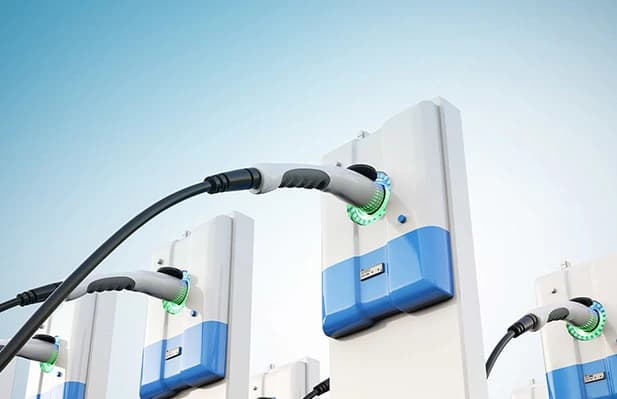
AC charging stations with connected charging cables
Planning checklist

Requirements to confirm

  • Identify charger variants, connectors, firmware and the exact standards editions in scope.
  • Separate interface ratings from sustained power requirements, external loads and facility limits.
  • Define test conditions, expected responses and the raw records needed for engineering review.

Review output

A configuration boundary, equipment responsibility list and versioned test matrix for laboratory planning.

Scope: Equipment selection and test coverage require configuration review; this brief does not establish laboratory accreditation or a conformity result.

Technical context

Vehicle interaction

Vehicle-to-Charger Interaction Scope

Plan the interaction between a defined vehicle-side implementation and selected charging interfaces. Separate session sequencing, communication behavior and electrical response so that each compatibility question has a reviewable test condition.

Charging protocol planning guide
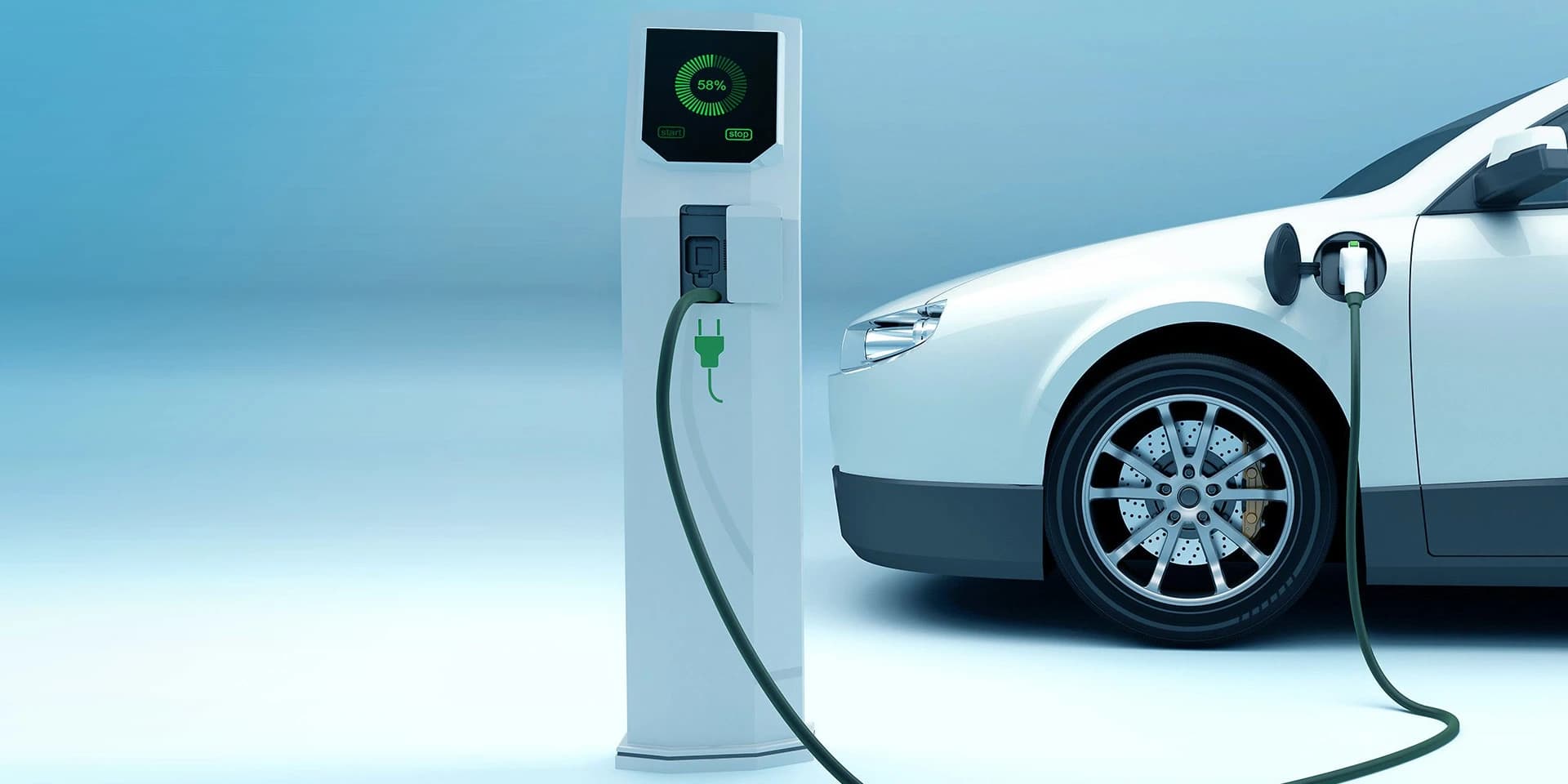
Illustration of an electric vehicle connected to a charging station
Planning checklist

Requirements to confirm

  • List the vehicle-side role, charger interfaces, communication options and software revisions.
  • Choose normal, boundary and controlled fault sequences with explicit start and stop conditions.
  • Align message captures, pilot states and electrical observations on a shared session timeline.

Review output

A bounded interaction matrix with configuration dependencies and evidence requirements for each session.

Scope: A selected test matrix cannot establish compatibility with every vehicle or charger; supported implementations require separate confirmation.

Technical context

PV and storage

PV and Storage Integration Planning

Treat the charger, generation, storage and site controller as separate subsystems before planning combined operation. Identify who commands each energy flow and where power, limits and protective responses need observation.

Energy integration reference architecture
Photovoltaic panel array
Planning checklist

Requirements to confirm

  • Draw the sources, storage, converters, charger, load and measurement points in the power path.
  • Specify initial energy states, control ownership, transitions and operating limits for each scenario.
  • Confirm facility permissions, protection responsibilities and any proposed regeneration path.

Review output

A subsystem responsibility diagram and a scenario matrix for coordinated energy-flow review.

Scope: This is an integration-planning boundary, not a claim that any particular PV, storage or bidirectional configuration is included.

Technical context

Battery and power interfaces

Battery and Power Interface Planning

Define how a battery-side interface, simulator or external power device participates in a charger project. Keep charger communication and power-path questions separate from cell characterization or battery lifetime testing.

Test system selection guide
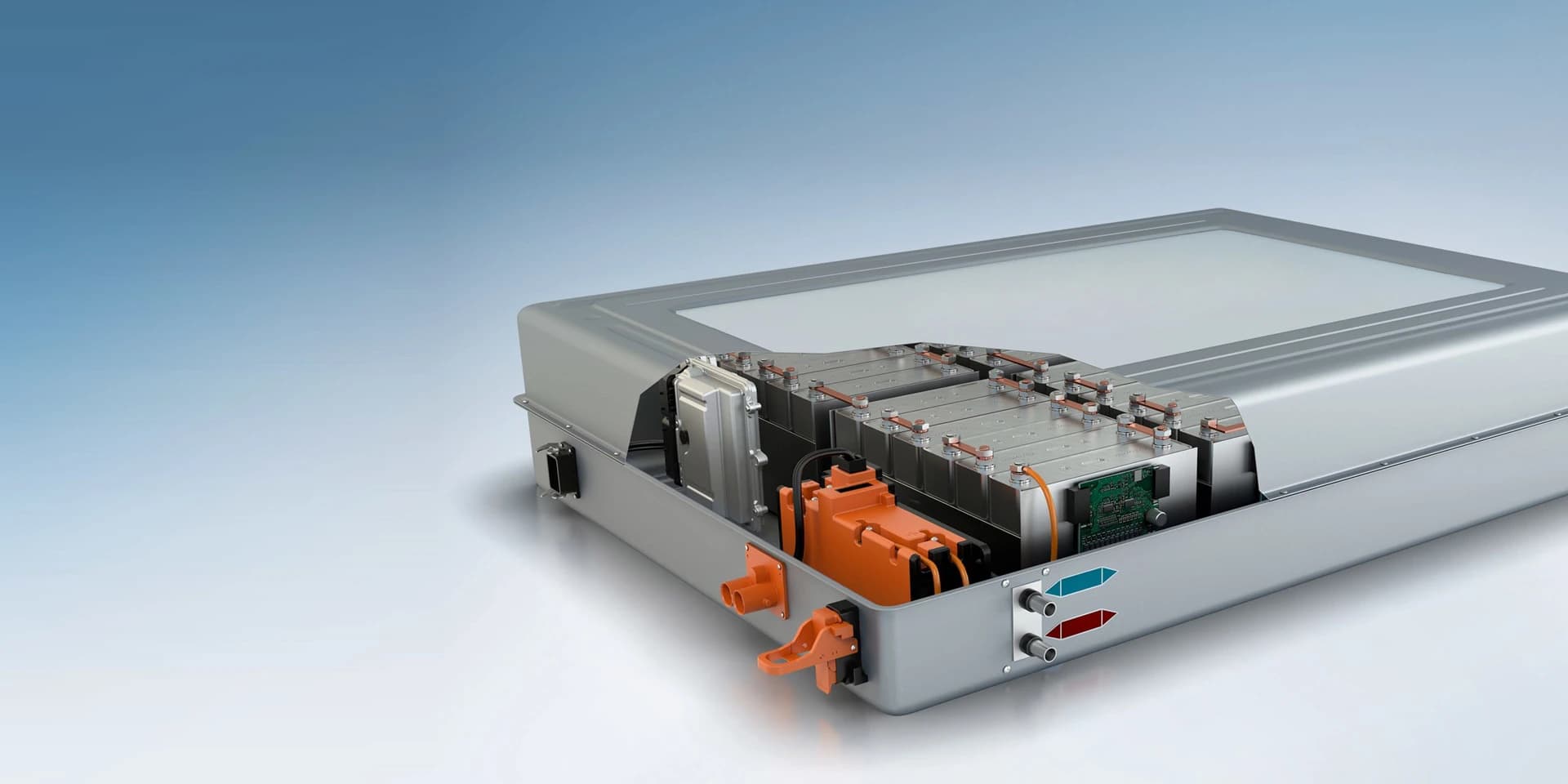
Illustration of an open battery pack
Planning checklist

Requirements to confirm

  • State whether the project needs a simulated battery response, an actual battery interface or a separately supplied load.
  • Specify voltage, current, energy direction, duty profile and the protection owner at each connection.
  • Record interface signals, control responsibilities and the measurements needed to review charger behavior.

Review output

An interface responsibility sheet and a power-equipment review checklist for the charger test scope.

Scope: This brief does not offer a battery test system or establish cell, pack, cycling or environmental test capability.

Technical context

Field diagnostics

Field Diagnostics Planning

Prepare a site visit around the installed charger and the condition under investigation. Establish safe preconditions, a repeatable reference sequence and an evidence package that supports repair review or laboratory escalation.

Mobile commissioning reference workflow
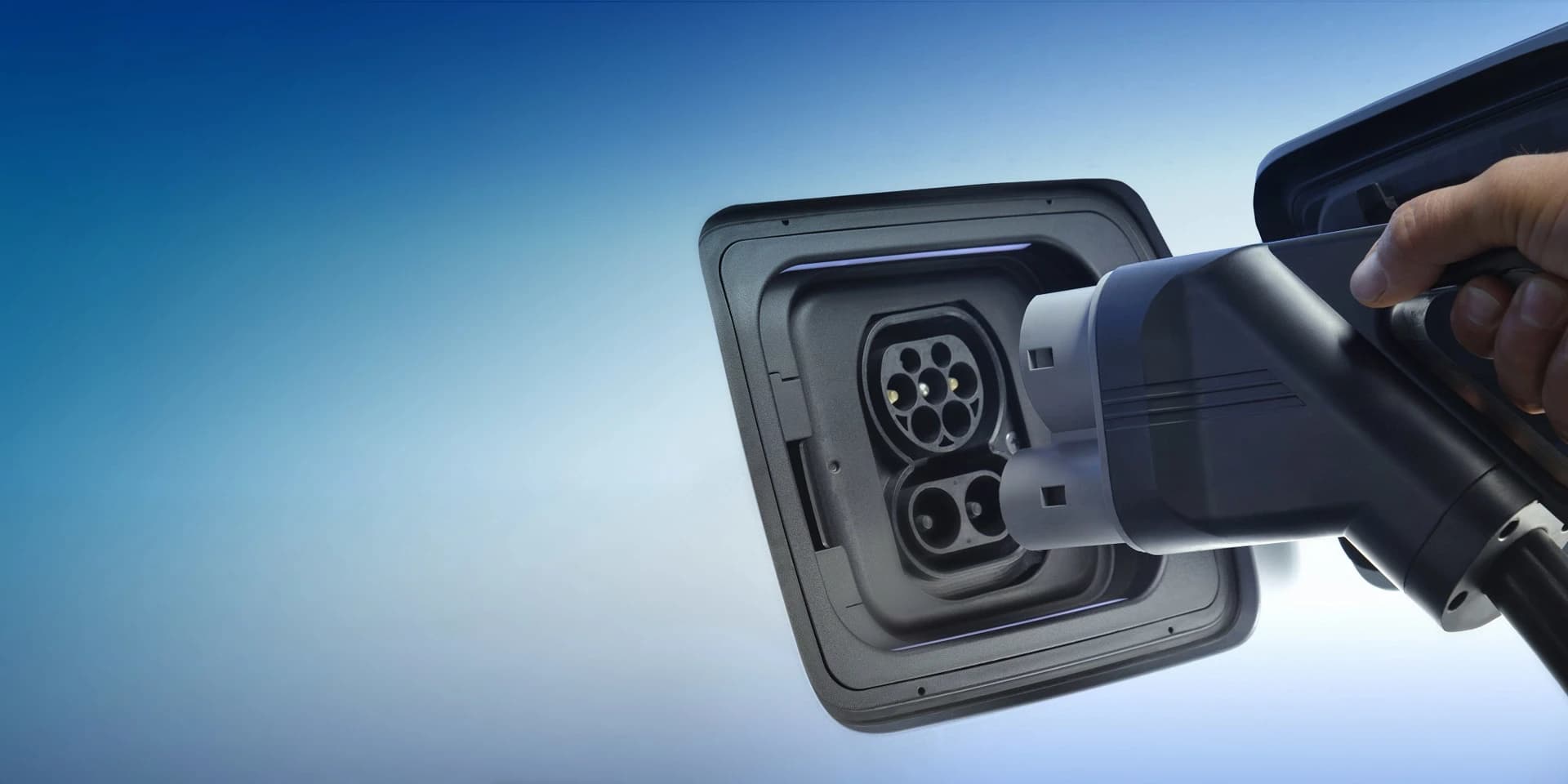
A charging connector held beside an electric vehicle
Planning checklist

Requirements to confirm

  • Record the charger asset, connector, rating, firmware and the reported site condition before dispatch.
  • Confirm access, safety procedures, instruments and the approved energy-absorption arrangement.
  • Select repeatable checks and retain matching setup, communication and measurement records.

Review output

A site-specific visit plan with baseline checks, evidence fields and an escalation decision path.

Scope: Permitted work depends on site controls and the selected equipment; a diagnostic plan is not an inspection certificate.

Technical context

Custom integration

Custom Test Integration Planning

Break a custom test request into equipment interfaces, controlled sequences and evidence responsibilities. Review fixture, software, facility and data-system dependencies before defining the intended delivery boundary.

EVSE test plan checklist
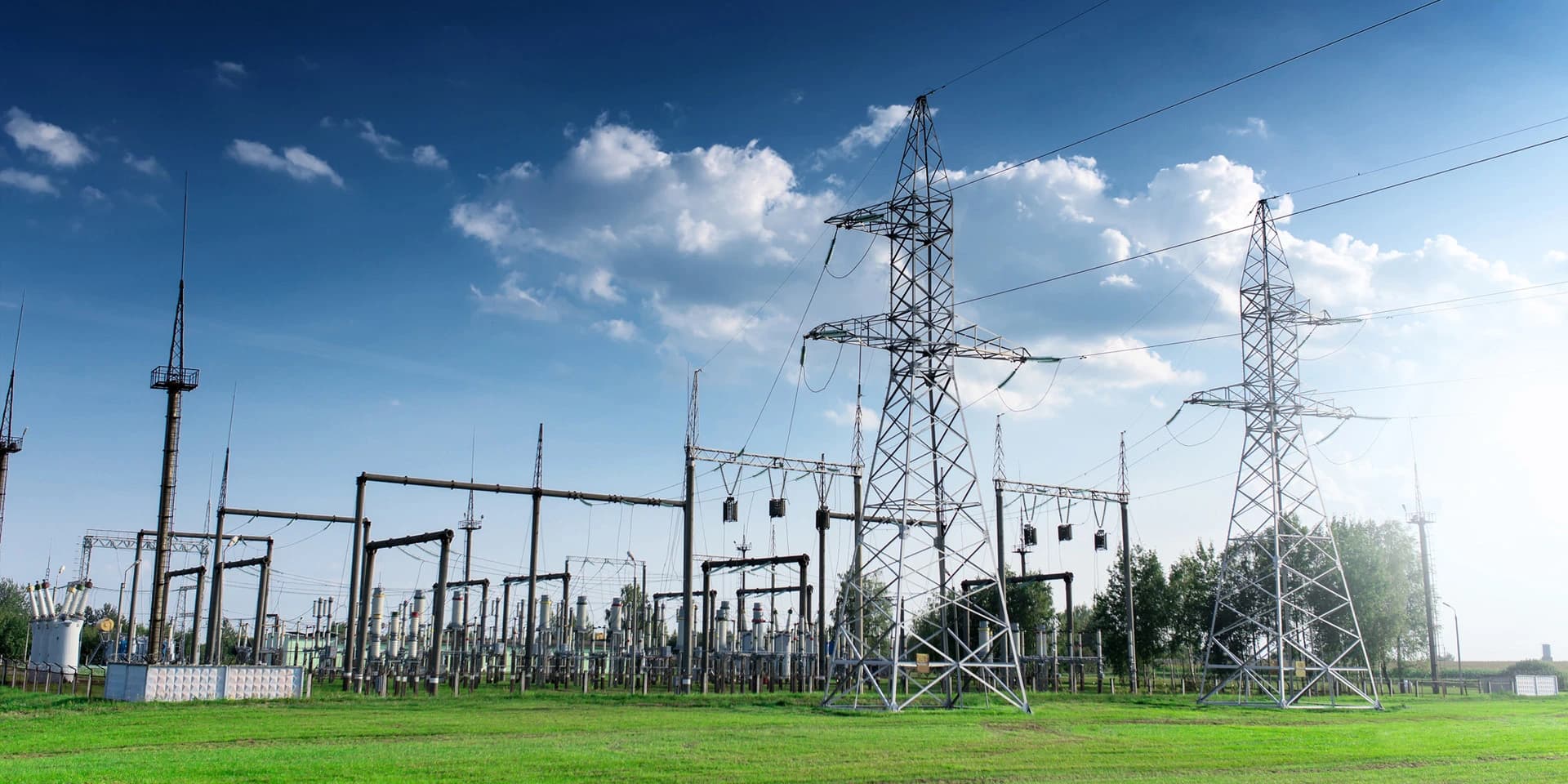
Electrical substation equipment
Planning checklist

Requirements to confirm

  • Describe the device variants, test objectives, exclusions and operating environment.
  • Identify fixtures, power equipment, safety controls and software interfaces that require separate integration.
  • Define reviewable acceptance criteria, data formats and responsibility for configuration changes.

Review output

A scope matrix that assigns each requirement, interface, acceptance check and unresolved dependency.

Scope: Custom functions and external-system connections remain subject to engineering review rather than implied standard product capability.

Technical context

Confirm the equipment configuration

Interfaces, software, instruments, loading and integration are subject to the agreed project scope. Published model specifications remain the equipment baseline.

WhatsApp